Philosophy
Philosophy
Purpose
Japan's creativity, finished, signed, and shipped to the world
We exist to take what is created in Japan, finish it to a standard worth signing, and send it into the world. That scope is not limited to software.
It includes design, publishing, music, and events, so long as we are willing to stand behind the result as a work.
Vision
A world where software is crafted, not merely delivered
Generative AI made speed common. Our bet is what comes after speed: software built with enough care to be treated as work, not just delivered as output.
Ambition
Build the product studio that defines the AI era.
Mission
Turn the unrealized value of Japan's technology and intellectual property into AI-native products for the world
Right now we are focused on finding underused technology and intellectual property in Japan, turning it into products, and shipping those products into the world. The Purpose stays stable. The Mission moves when the operating focus changes.
Values
Four values we work by
- 01
We finish.
「。」まで、仕上げる。 Running is not finished. We finish to a standard we can sign.
- 02
Design is how it works.
デザインは、どう動くか。 Design is more than appearance. It shapes behavior, language, and judgment.
- 03
Sign your work.
自分の名前で、作る。 Do not wait for instructions. Make the call and own the outcome.
- 04
AI is a team, not a tool.
AIは道具ではなく、編成。 AI explores and iterates. People set the direction and own the quality.
Culture Code
The daily code
Our values, translated into daily judgment. Written plainly, without decoration.
Tap, click, or focus a line to read what it means, and why.
-
When time gets tight, we cut the feature set first. We do not cut the quality bar or the depth of review. We would rather ship a smaller finished unit than a larger unfinished one.
-
In meetings and in documents, we put the conclusion first. When an assumption feels weak, we say so plainly instead of carrying it forward in silence. Early clarity costs less than rework.
-
In proposals, reports, and site copy, claims travel with evidence we can measure. If a number lacks context, or a statement cannot be checked, we cut it. Decisions should ride on verifiable facts, not on momentum.
-
We protect a team size where decisions still move quickly. If a hire or assignment does not meet the bar, we revisit the scope and the setup before we fill the seat.
-
In planning and budgeting, we treat AI use as production capacity, not incidental software spend. That keeps exploration, prototyping, and iteration funded from the start. We staff with AI in mind, while people remain responsible for quality.
-
We do not choose tools by sticker price alone. We choose them by whether they reduce review time, cut rework, or raise the finish. When the cheaper option turns into downstream debt, we invest in the better tool first.
-
We do not draft one language and mechanically mirror it into the other. We write for each audience in its own language, then tune the information and tone there. Language quality is part of product quality.
-
We keep our own products so our judgment is not shaped by client work alone. Before we recommend a workflow or technology, we try to run it on our own surface when we can, so we understand the operational cost and responsibility ourselves.
-
We make the work and release it before we talk about it. After it ships, we share what held up and what did not. Communication is how we document what practice taught us.
-
In final review, we look for one detail that adds delight without getting in the way. It might be language, motion, spacing, or flow. The line exists to push a finished surface one step further into memory.
The Method / 見当
In register
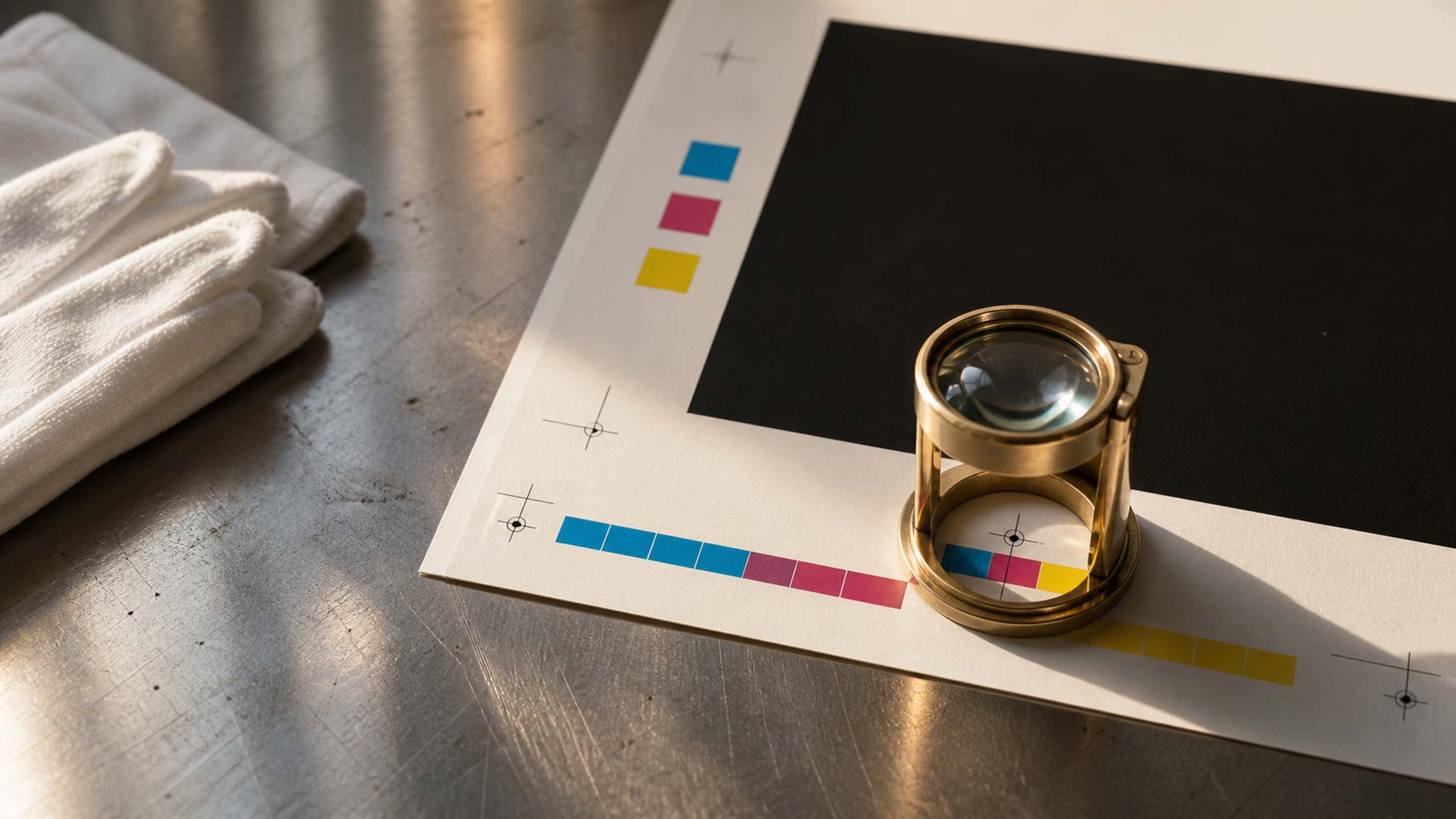
Kento is the method we use to keep strategy, design, code, and human responsibility aligned on the same surface. We borrow the print term for plates landing precisely in register, then apply it to how the studio works.
We do not separate strategy from implementation through a chain of hand-offs. The person making the call stays close enough to the design, build, and operation to own the result. Koryo stays in the brand film and campaign vocabulary. Here, the working method is Kento.
- C Strategy What to build, and why
- M Design How it works, and how it looks
- Y Code How it is built, and how it runs
- K The signer Who decides, and who owns the result
Join
If you'd sign this too
We're looking for people who will practice this philosophy with us. Roles and ways of working are on the careers page.